Subscribe here to receive each edition in your feed.
“Saudi Sport is Moving Beyond Infrastructure”
“Edition 4: Emerging Performance Environments & Compressed Rehabilitation Systems in Saudi and MENA Sport”
Or browse the full collection by category below and choose what suits your interests.

This article explores how rehabilitation pathways are shaped by medical timelines, operational demands, communication structures, environmental constraints, and middle-layer governance inside emerging performance environments. The athlete case becomes a lens through which wider Saudi-MENA system dynamics can be understood.
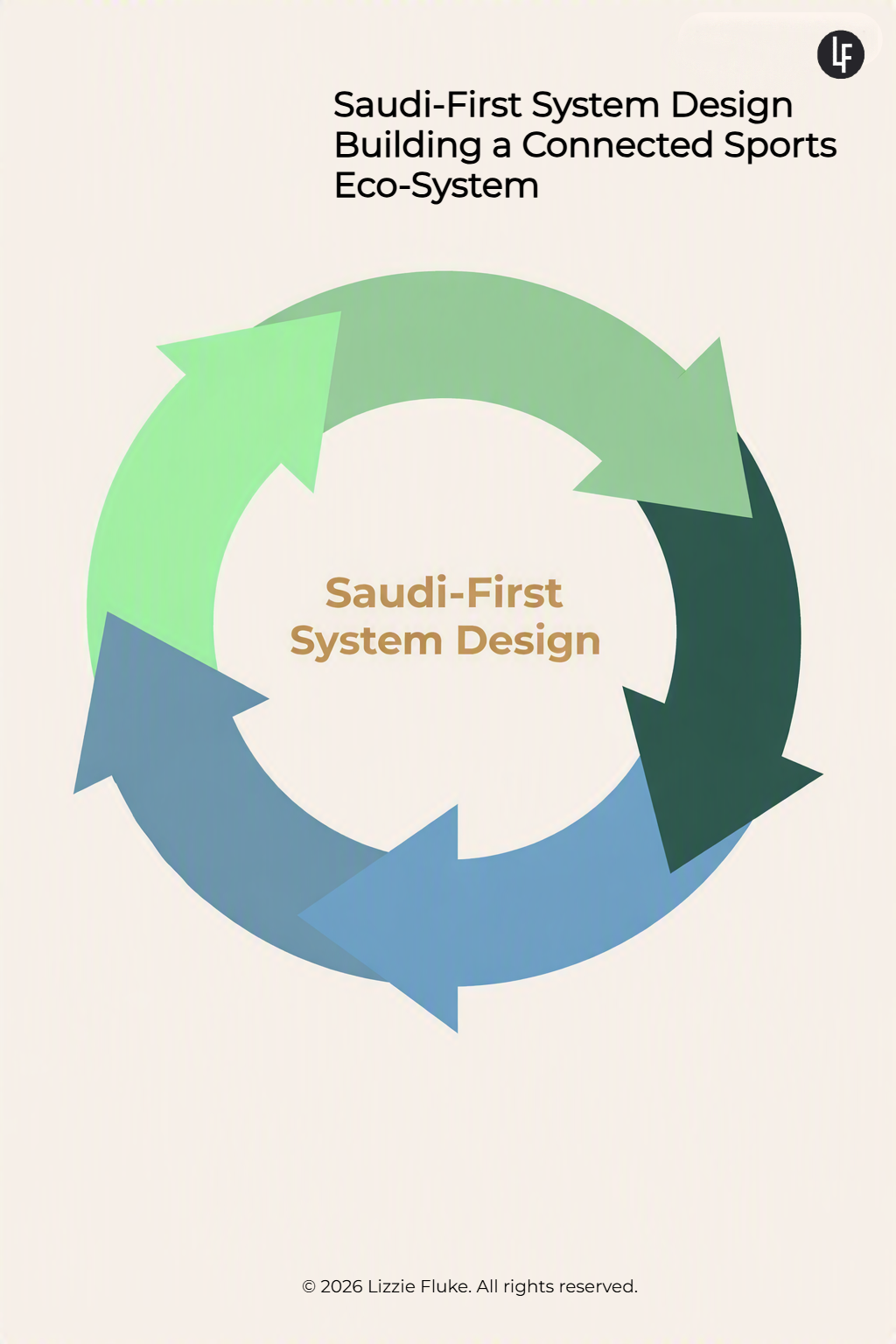
Saudi sport is entering a phase where long‑term performance is increasingly shaped not only by investment, but by governance design, infrastructure coordination, workforce capability, and system integration.
Saudi sport is entering a phase where system design, governance clarity, and national delivery determine long term performance.
The next step is understanding how different models operate and what Saudi Arabia can build without inheriting global gaps.
Intelligence Map
Governance Reality
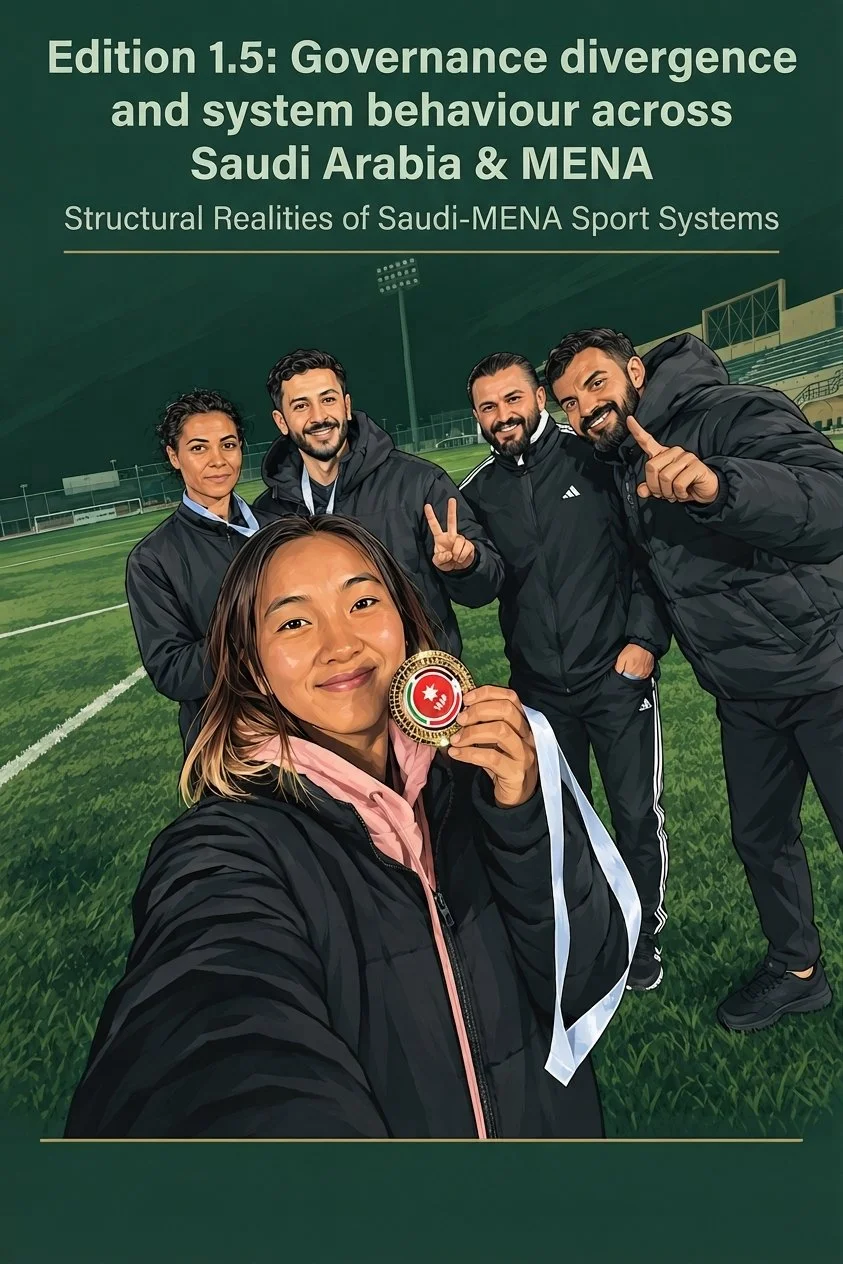
How Saudi and Jordan (MENA) Sport Actually Works
UKSI models were built inside a mature, decentralised, athlete‑centred ecosystem with stable governance, integrated data, and clear clinical decision rights. Saudi and wider MENA sport operate at a different governance altitude.
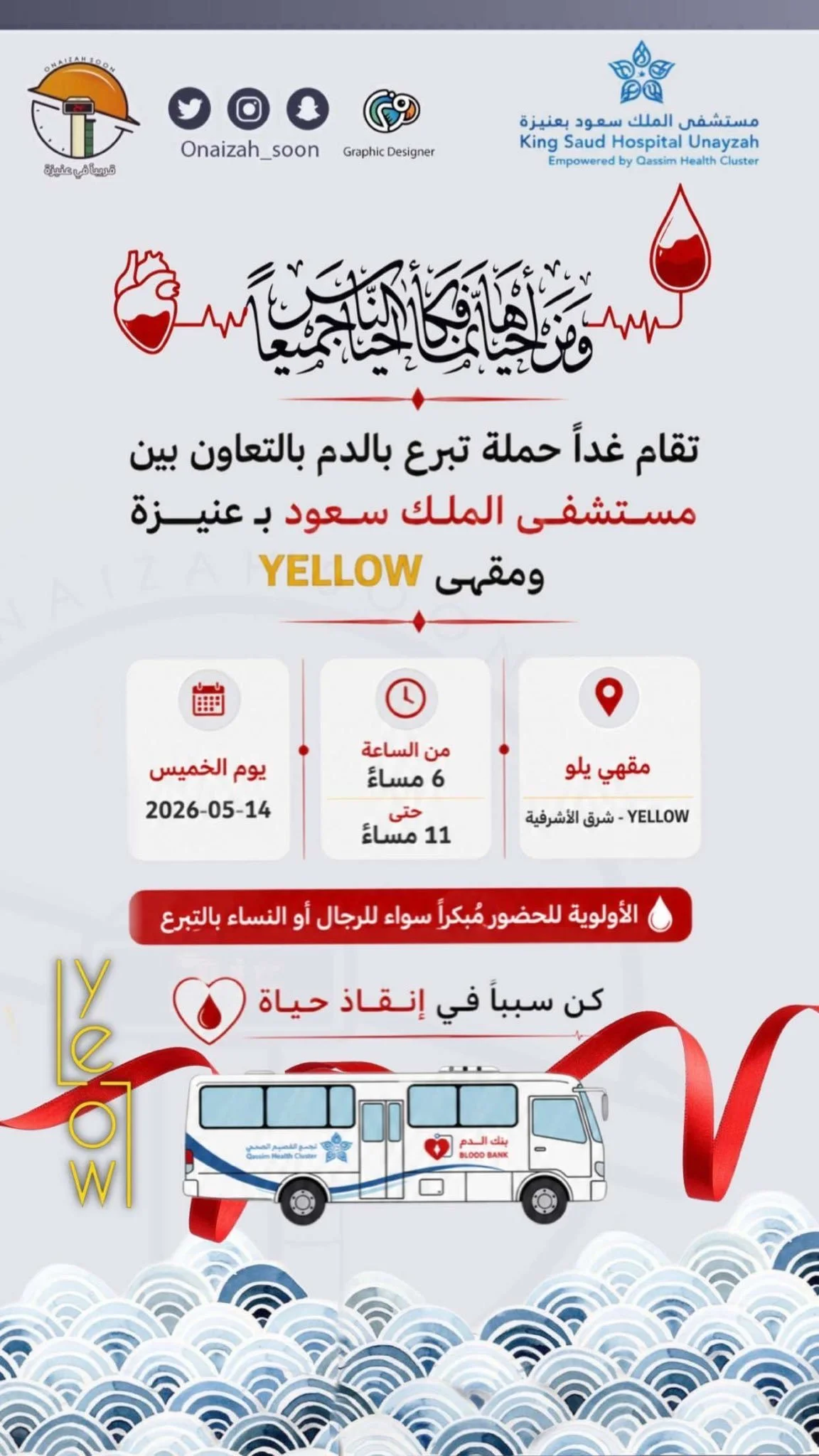
Across Saudi Arabia, Jordan and the wider MENA region, blood testing practices vary significantly between clubs, federations and competitions.
Saudi sport is developing rapidly, but national progress does not always translate into daily athlete environments. Part 8 of the Saudi‑First System Design series explores The Level 4 Paradox through Team Saudi at the World Taekwondo Junior Championships, focusing on the gap between national strategy and athlete experience.
The article examines how federations, regional support, sports medicine, rehabilitation, psychology and connected data systems can improve the delivery layer as Saudi sport continues to grow.
Saudi Arabia’s Vision 2030 makes health and wellbeing a national priority. In sport, that means mental health must be built into the everyday athlete environment, not treated as a separate service. This chapter explores how culturally aligned, trust‑based systems can support identity, family confidence and long‑term participation - from youth pathways through to elite performance and return to sport.
Saudi Arabia’s digital transformation gives the Kingdom an advantage many sporting nations did not possess during their early phases of system development. National platforms such as Sehaty, Tawakkalna, Absher, Nafath, Mawid, and the national health portals already coordinate identity, health records, appointments, and communication between institutions and citizens. These systems demonstrate that digital coordination can operate reliably at national scale and across diverse regions.
Every sport system has a participation base and an elite tier. What distinguishes mature systems from emerging ones is not the top or the bottom, but the middle layer, the infrastructure that connects daily training environments, medical and performance systems, regional capability, and long term athlete development.
Federations within rapidly developing sport ecosystems do not evolve uniformly. Different sports progress at different speeds depending on participation growth, governance clarity, workforce depth, and system integration. The Federation Capability Maturity Model provides a shared language for understanding this progression.
Every sport system has a participation base and an elite tier. What distinguishes mature systems from emerging ones is not the top or the bottom, but the middle layer, the infrastructure that connects daily training environments, medical and performance systems, local capability, and long term athlete development.
Saudi sport grows through regional difference, not uniformity.
The real question is how participation, governance, healthcare, infrastructure and performance systems connect as the ecosystem expands.
Sweden was never presented as a model to copy. It is a lens through which to view how participation, healthcare, rehabilitation, education, governance and pathway systems interact over time, and how connected ecosystems create long-term continuity, capability and progression.
Saudi sport is entering a phase where system design, governance clarity, and national delivery determine long term performance.
The next step is understanding how different models operate and what Saudi Arabia can build without inheriting global gaps.
Federation led systems operate through sport specific autonomy. Each federation defines its own pathway, technical model, and performance strategy. Institute led systems, such as the UKSI or AIS, operate through centralised service provision, offering unified medical, performance, data, and risk management systems across multiple sports.
Saudi sport is entering a phase where long-term performance will depend not only on investment, but on how participation, healthcare, rehabilitation, regional capability, and athlete environments develop together over time.
Edition 5 shows why systems, governance, compliance and processes are critical to delivery, healthy environments, athlete safeguarding and long‑term performance.
Anti-Doping and System Pressure
Edition 5 begins with the anti-doping cases because they show the system under real pressure. Two athletes were subject to active Anti Doping Rule Violation processes.
The challenge is now system connection across differentiated performance environments.
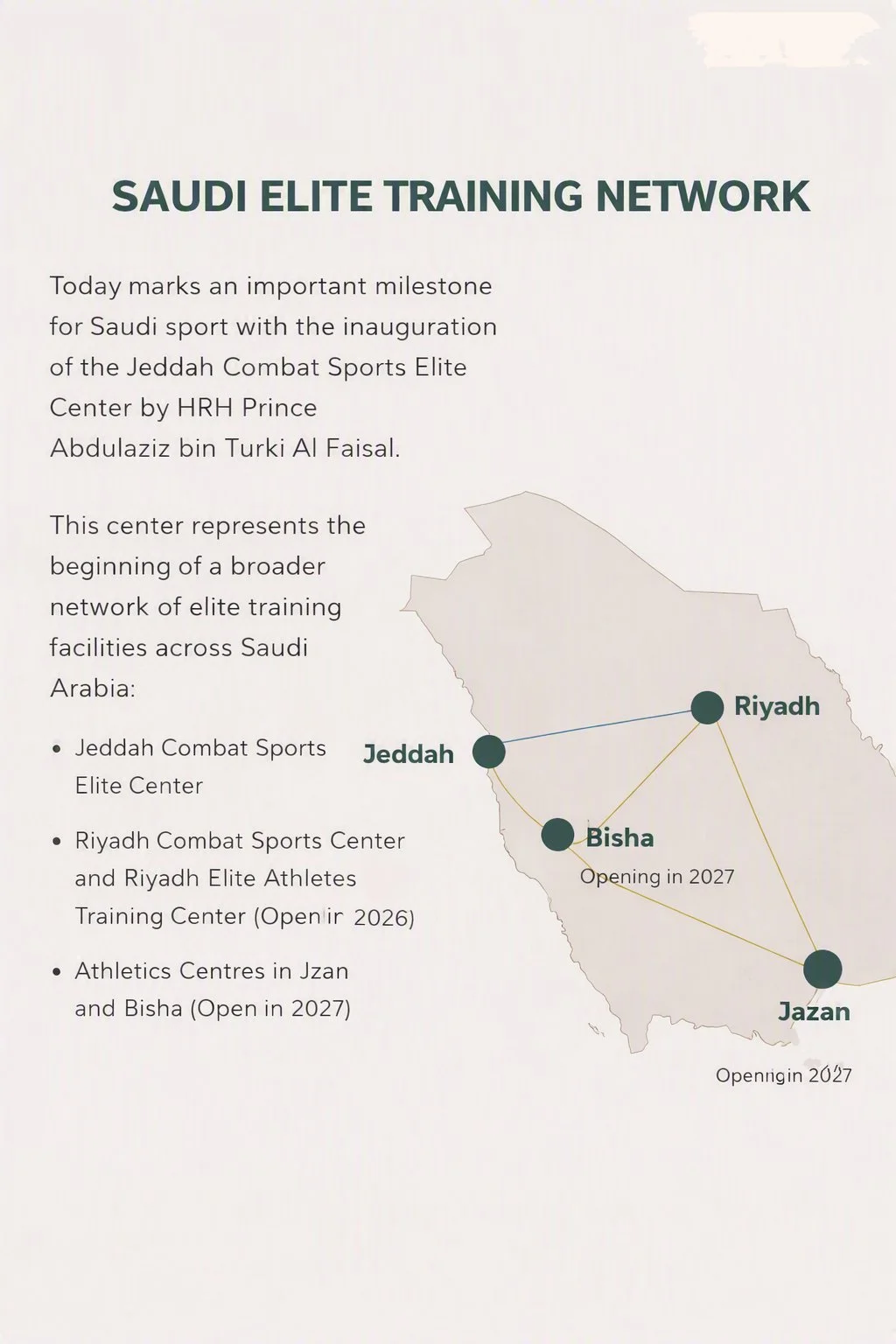
The announcement of the Jeddah Combat Sports Elite Center, alongside planned centres in Riyadh, Jazan and Bisha, signals a shift towards a distributed network of athlete development environments.
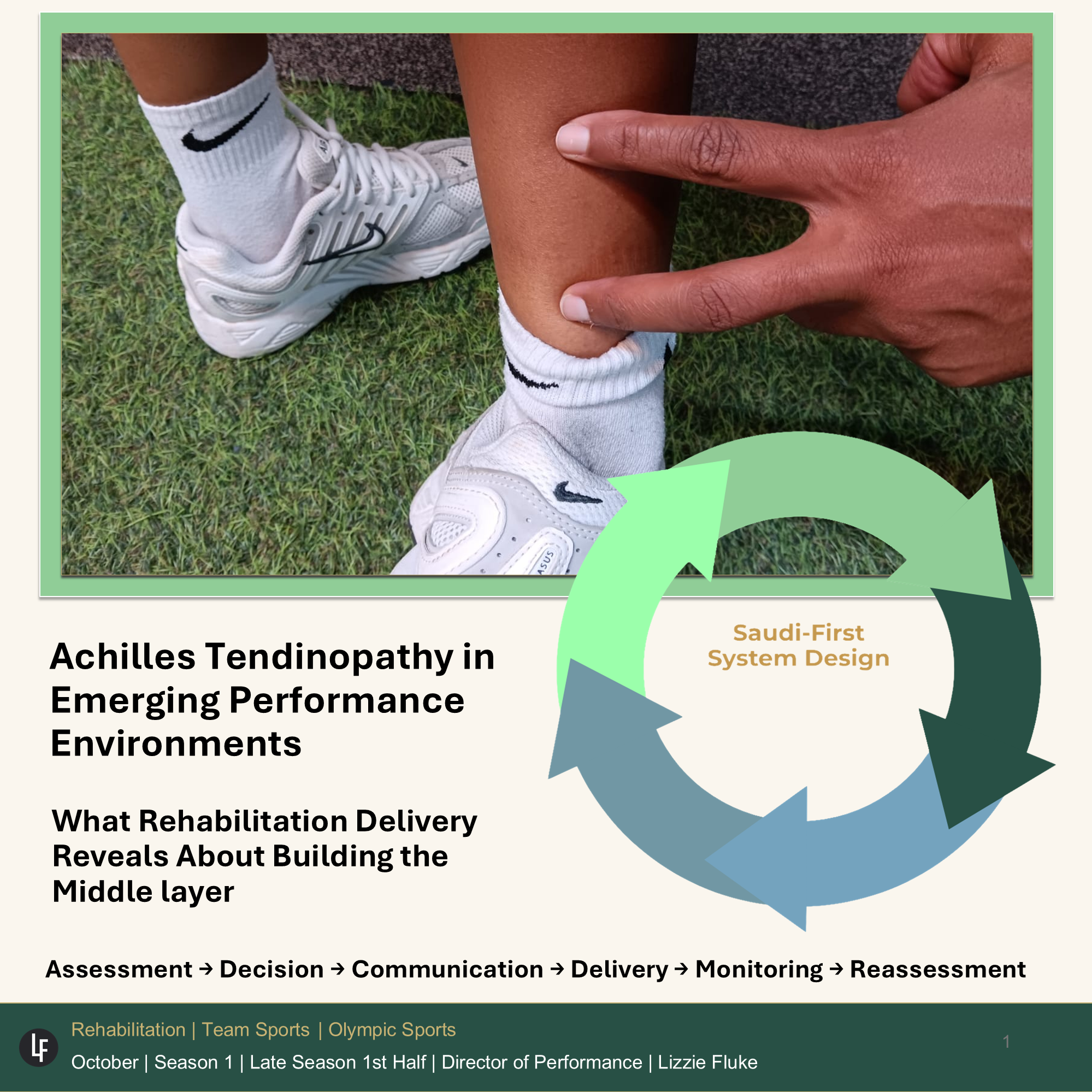
Achilles injuries behave differently in real systems. Two pros, one female, one male, two presentations, two distinct paths.
It was assessment → decision → communication → delivery → monitoring → reassessment.
Age‑ and gender‑specific screening is essential for athlete health in Saudi Arabia and the wider MENA region. Effective systems must reflect how athletes grow, mature, communicate, and make decisions within their cultural environments. This article outlines how youth, adolescent, and adult pathways differ, why gender‑specific considerations matter, and how aligned governance supports early detection and long‑term athlete development.
Effective athlete care in Saudi and MENA sport begins with trust, clarity, and culturally aligned systems. This article outlines how medical questionnaires become foundational structures for communication, safety, and performance across youth, women’s, and men’s football and Olympic sport.
Saudi Sport: The Delivery Layer
Saudi Arabia has built national systems that operate through structured workflows, national coordination, and digital identity integration, supported by compliance pathways, documented requirements, verification steps, service repeatability, and backend governance systems. Governance is embedded in everyday life through a unified national digital infrastructure, clearly documented pathways, defined responsibilities, accountability, and oversight.