Saudi-First System Design: Sports Medicine and Performance Infrastructure
Originally published as part of my Saudi-MENA Sport Environments: Edition 3 series, this piece now includes new and updated content.
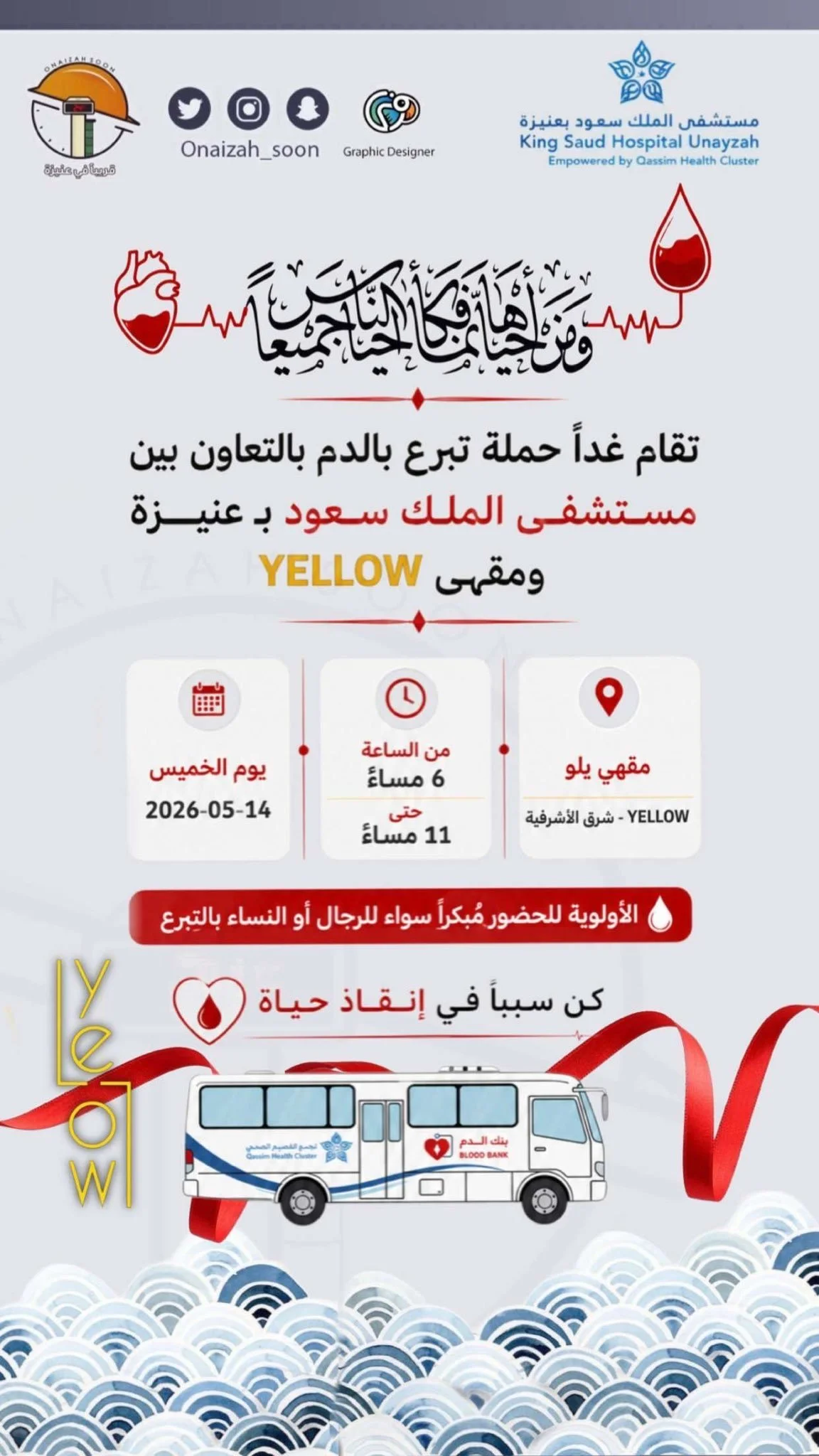
Image Credit: King Saud Hospital Unaizah × Yellow Café (Qassim Health Cluster)
Caption: Community blood donation campaign
Unaizah, Saudi Arabia, May 2026
Saudi‑First System Design
Part 5 - Sports Medicine and Performance Infrastructure
(Saudi‑First Model)
Every sport system has a participation base and an elite tier. What distinguishes mature systems from emerging ones is not the top or the bottom, but the middle layer, the infrastructure that connects daily training environments, medical and performance systems, regional capability, and long term athlete development. In Sweden, this layer is distributed across multiple institutions. In the UK, it is centralised through institutes. In Saudi Arabia, it is only now beginning to take shape. Because it is being built at this moment in real time, the Kingdom has a unique opportunity to design a middle layer that integrates health, participation, rehabilitation, digitalisation, regional infrastructure, and pathway governance into one connected system.
A Saudi first model must begin with a clear distinction. Saudi Arabia is not building UKSI style centres. UKSI, previously the English Institute of Sport (EIS), developed within long established sport systems shaped by decentralised governance, strong local club structures, mature sport organisations, mature coach and practitioner education pathways, and systems with large workforces built over many decades. They operate within societies where decision making, facilities, and participation are distributed across regions, local councils, clubs, associations and local organisations.
Saudi Arabia’s governance environment is different. Authority flows vertically, approvals move upward, and organisational behaviour is shaped by leadership coordination, tribal systems, and religion. Capability varies across regions, female participation continues to emerge and develop, and private hospitals and service providers dominate medical access. These realities require a different structure, not a Western institute model, but a Saudi first sports medicine system.
Regional sports medicine centres can be designed around Saudi geography, population distribution, and cultural context. These are not sport medicine or elite centres in the UKSI sense. They function as capability hubs that stabilise access, standardise pathways, and connect participation, athlete development, and elite sport into one integrated system. They must serve athletes, youth, women, community sport, local populations, and federations simultaneously, because in Saudi Arabia these groups are emerging and developing together rather than through years of separate institutional development.
Three elements define this Saudi first infrastructure:
A single system wide clinical governance framework that fits Saudi decision making culture and ensures safety, clarity, and authority based coordination across clubs, federations, and national teams.
Regionally delivered medical and performance hubs that reflect population clusters, tribal dynamics, and family based decision making, ensuring that athletes, especially women and girls, can access care locally without cultural or logistical barriers.
Integrated digital and communication pathways that support care standards across private hospitals, federations, clubs, and national teams.
Saudi Arabia’s emerging sports medicine centre, signalled through recent multi‑sport job postings, is one of the first visible steps in this direction. These roles sit above individual clubs and federations and are designed to support medical standards, rehabilitation pathways, and coordination across different sports. This marks the beginning of a Saudi‑first middle layer, a sports medicine structure designed to support the wider system rather than operate only as a service provider.
Rehabilitation ecosystems are central to this model. Globally, rehabilitation is one of the least integrated parts of sport systems. Athletes move between club physios, private clinics, hospitals, specialists, and national‑team staff, with responsibility for continuity often shared across multiple environments. In Saudi Arabia, this complexity is shaped by regional variation, private‑sector delivery, and gendered access. A Saudi‑first rehabilitation ecosystem must therefore provide continuity from injury to rehabilitation to training to competition, supported by regional hubs.
Return to sport in Saudi Arabia is not simply a clinical decision; it is also a governance decision shaped by hierarchy, leadership oversight, and institutional risk. A Saudi‑first model must therefore connect clinical decision‑making with non‑clinical approval pathways. This ensures that medical clearance, performance, psychological readiness, and risk assessment remain clinically governed while operating alongside non‑clinical approval processes.
Regional capability is foundational to a Saudi‑first system. A Riyadh‑centred model would limit access for large parts of the population, reduce participation continuity, and restrict female access. Regional hubs must therefore be designed for local realities, including tribal influence, family trust, gender, transportation patterns, and the presence or absence of private medical capability. When capability is distributed, the system becomes accessible, scalable, and culturally grounded.
A Saudi‑first sports medicine and performance infrastructure must therefore be regionally delivered, centrally governed, culturally grounded, and built for an emerging system rather than copied from a mature one.
Saudi Arabia is operating from a different population baseline, with distinct health, wellness, physical activity, and participation needs across regions and demographics. This includes the integration of regionally accessible mental health and psychosocial support services. This is the foundation of the middle layer the Kingdom is now beginning to build.
7.1 Capability Structure (Saudi First Model)
The second component of the middle layer is the structure that organises how support is delivered across the Kingdom. It determines how federations and clubs access services, and how athletes experience the system in their daily environments. In Saudi Arabia, it must be created deliberately, shaped by governance, culture, geography, and population realities.
Saudi Arabia’s current landscape varies significantly. Riyadh holds the greatest concentration of specialists, diagnostics, private sector capability, and federation proximity. Regional areas differ in access, quality, and availability of sport specific medical and performance expertise. This is a normal characteristic of emerging systems. What matters is how the Kingdom chooses to distribute capability as the system grows.
A Saudi-first capability structure cannot rely only on Riyadh. A heavily centralised model would reduce access across large parts of the population, particularly for women and girls. Support structures therefore need to develop across different regions in ways that reflect population distribution, family decision-making, and local realities. These environments must support participation, rehabilitation, athlete development, and community access at the same time, because in Saudi Arabia these areas are expanding together rather than separately.
Three principles define this structure.
Local access must be protected. When athletes must travel long distances for medical assessments, rehabilitation, or specialist care, participation becomes harder to sustain. When access is local and culturally grounded, participation becomes stronger and more consistent.
Federations must be supported through shared infrastructure. This allows federations to maintain technical autonomy while relying on consistent medical, rehabilitation, and performance systems that reduce risk and increase stability.
Delivery must be scalable. Regional hubs, unified standards, and digital integration allow the system to grow without losing connectivity, even as participation expands and new sports emerge.
Women’s and girls’ infrastructure sits at the centre of this. Female participation in Saudi Arabia depends on family trust, psychological safety, modesty‑aligned environments, and local accessibility. When these conditions exist, participation deepens, retention increases, and long‑term medal potential expands. A Saudi‑first structure must therefore integrate women’s sport from the beginning, as a core design principle to develop talent pathways and support winning teams and athletes.
This structure also reflects the Kingdom’s governance environment. Authority flows vertically. Approvals move upward. Stability follows leadership coordination. A Saudi first capability system must therefore be centrally governed, regionally delivered, and culturally grounded. It must respect tribal structures, religious norms, and family based decision making. It must be designed for an emerging system, not copied from a mature one.
The second component of the middle layer is connecting infrastructure to daily delivery. It influences who can access support, how consistently services are delivered across regions, and how sustainable the system becomes over time. This allows Saudi Arabia to build a sport system that reflects its people, geography, and governance environment.
7.2 System Level Value Creation
The third component of the middle layer is long-term system value. This is where sport becomes connected to wider areas such as public health, participation, rehabilitation, and national development. When infrastructure, services, and participation systems develop together, the impact extends far beyond medals or elite performance.
The first area of value creation is the reduction of athlete financial stress. In many countries, athletes and families carry the cost of dispersed systems, private rehabilitation, travel, specialist care, and inconsistent access. Costs accumulate because the system lacks integrated pathways. Saudi Arabia can structurally reduce this burden by building regional sports medicine hubs, and local integrated return to sport pathways. This reduces private sector dependency, travel costs, and disconnection. It also increases equity, allowing athletes from all backgrounds to remain in the system.
7.3 Saudi Public Health
The second area of value creation is population health integration.
The second area of value creation is population health integration. Sport systems are not separate from public health; they are part of the same national structure. Saudi Arabia faces high obesity rates, persistent inactivity, increasing non communicable disease burden, and a young population. Sport participation and physical activity therefore functions as a preventative health intervention.
The middle layer can support earlier intervention, healthier entry into sport, lower injury rates, and stronger long-term participation. Over time, this can contribute to improved public health, reduced healthcare pressure, stronger female participation, and wider social wellbeing.
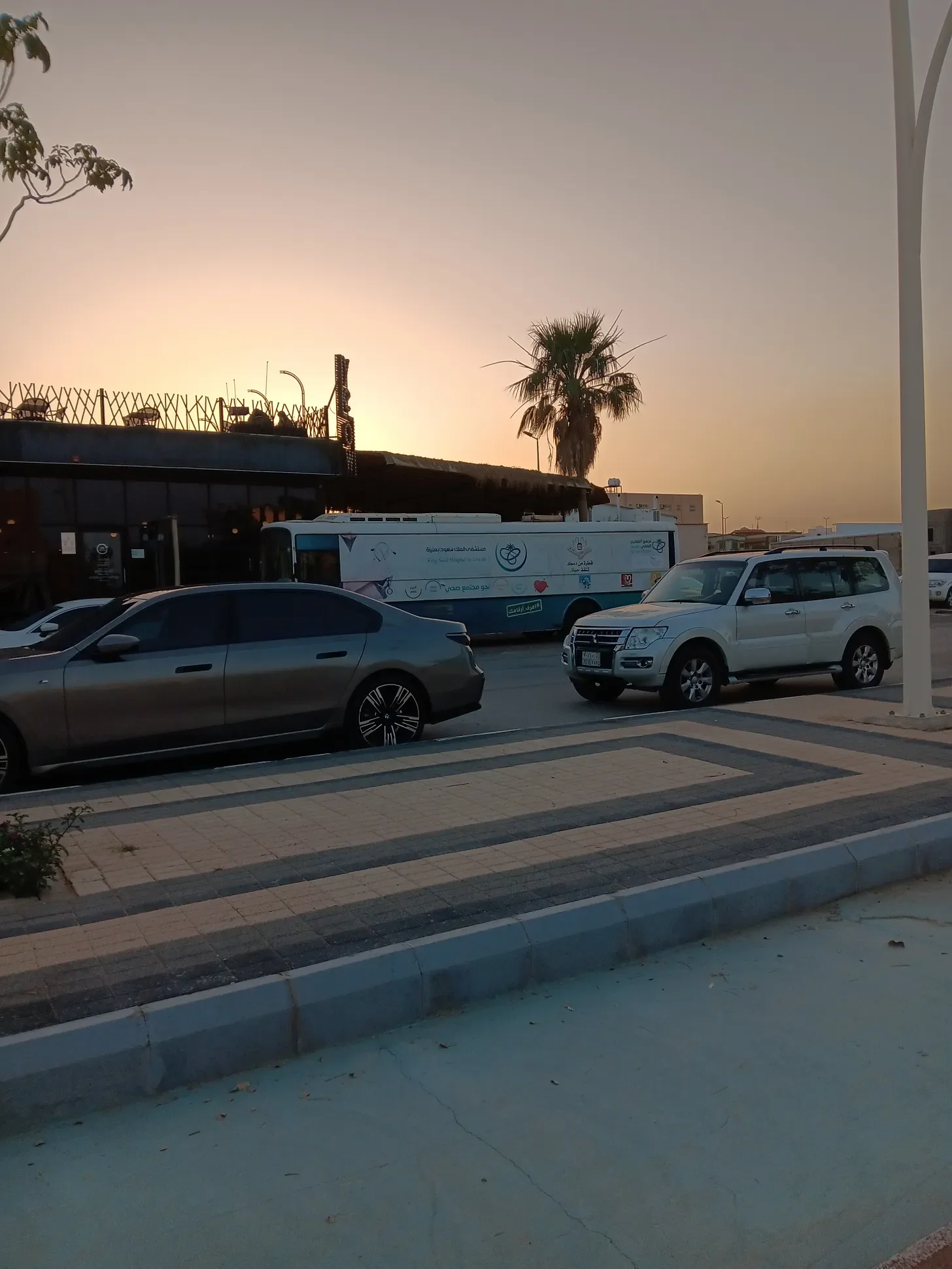
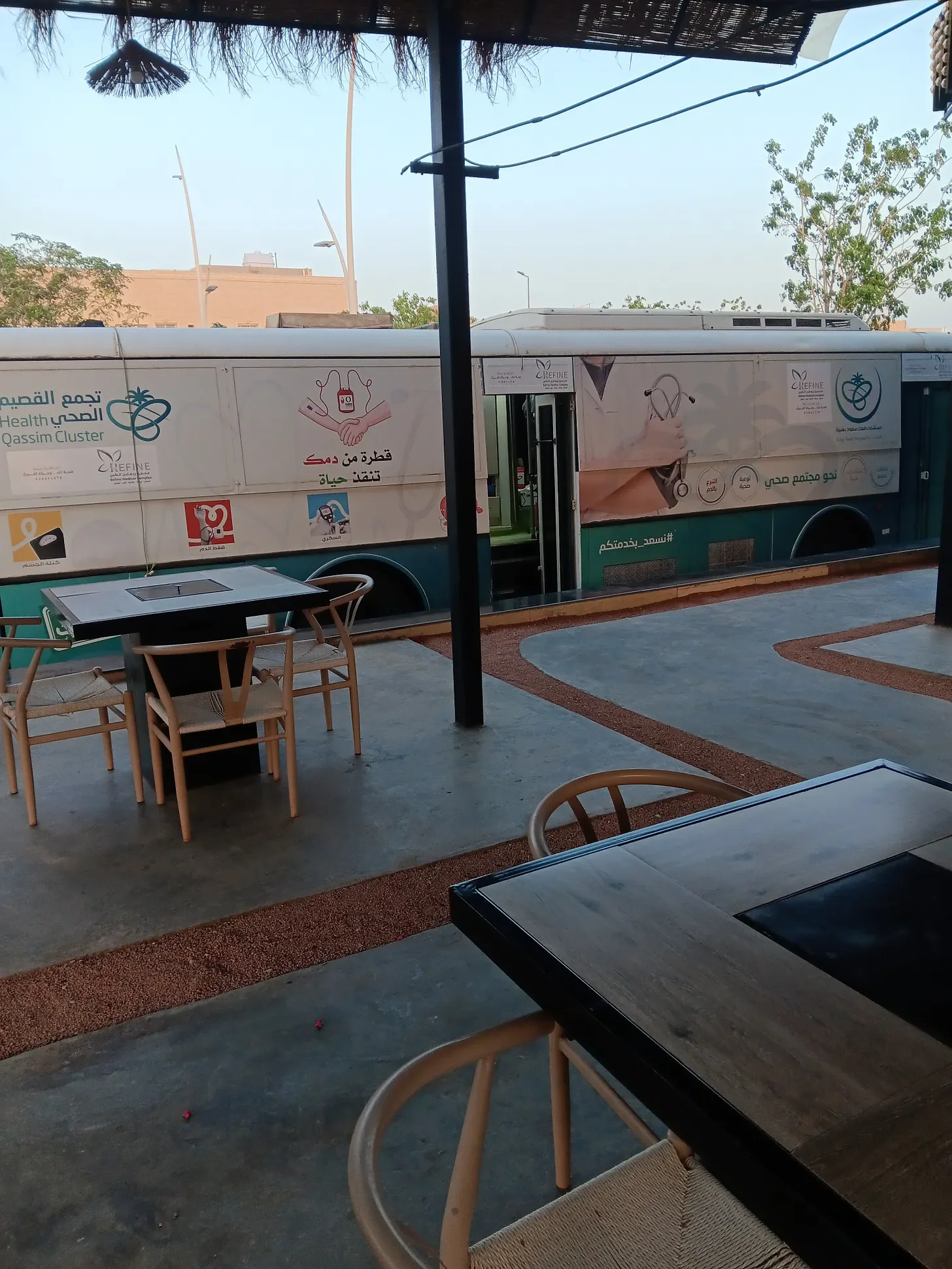
Emerging examples of this integration are already visible regionally. In Unaizah, a community blood donation campaign organised through King Saud Hospital and the Qassim Health Cluster operated through a partnership with a local cafe and public community space. The cafe functioned as the social and engagement environment, as well as a familiar local access point, while a mobile blood collection and processing unit delivered healthcare services directly into the community setting. Positioned beside a public walking and athletics track, the initiative combined healthcare access, local business participation, social gathering space, digital communication, and physical activity infrastructure within one shared regional environment.
Examples of this kind illustrate an important structural direction within Saudi Arabia’s evolving public health model: healthcare services becoming more mobile, locally embedded, and community facing rather than confined solely to fixed institutional environments.
The fifth area is long-term medal efficiency through broader and more adaptive pathway design.
Many international talent identification systems were developed within mature sporting populations where movement literacy, physical education, long term club participation, and early athletic exposure are already widespread. As a result, these systems often assume higher baseline levels of preparation, training age, and sporting exposure.
Saudi Arabia operates within a different population context. Large parts of the population are entering organised sport for the first time within a rapidly expanding participation environment. Athletes may arrive through delayed or non traditional pathways shaped by variable physical literacy, uneven regional access, emerging female participation structures, and different psychosocial or family environments.
This creates important implications for pathway design. If systems rely too heavily on models developed for mature sporting populations, readiness and exposure may be mistaken for talent itself. Broader and more adaptive entry frameworks therefore become strategically important, not to lower standards, but to widen identification across a population whose sporting exposure has historically been uneven.
This is also important to avoid reproducing pathway patterns that some established systems are now attempting to reverse or address (United Kingdom), where access and progression can become concentrated within narrower social or educational groups (fee paying Schools) over time. These patterns can shape both long-term participation and the demographics from which athletes emerge.
Sporting inequality is pathway-specific. This is also dependant on accessing the right environment early enough, often enough and for long enough to progress.
This may require:
• multiple pathway entry points
• longer development timelines
• greater emphasis on physical literacy and athletic development
• integrated health and psychological support
• regional talent activation
• wider female participation structures
• greater tolerance for non linear athlete progression
Over time, this can strengthen long term medal efficiency by expanding the talent base entering federated pathways while reducing early exclusion within a developing sporting ecosystem.
Saudi Arabia’s future competitive advantage may not emerge from replicating mature international talent systems directly, but from designing pathway models adapted to the Kingdom’s own population realities, participation history, and long term societal transformation under Vision 2030.