
Saudi-First System Design Part 8 The Level 4 Paradox

Saudi sport is developing rapidly, but national progress does not always translate into daily athlete environments. Part 8 of the Saudi‑First System Design series explores The Level 4 Paradox through Team Saudi at the World Taekwondo Junior Championships, focusing on the gap between national strategy and athlete experience.

The article examines how federations, regional support, sports medicine, rehabilitation, psychology and connected data systems can improve the delivery layer as Saudi sport continues to grow.

Read More

Saudi-First System Design Part 7 Mental Health, Cultural Intelligence and Athlete Environments

Saudi Arabia’s Vision 2030 makes health and wellbeing a national priority. In sport, that means mental health must be built into the everyday athlete environment, not treated as a separate service. This chapter explores how culturally aligned, trust‑based systems can support identity, family confidence and long‑term participation - from youth pathways through to elite performance and return to sport.

Read More
Saudi-First System Design Part 6 Digital Infrastructure, Family Trust and Participation Continuity

Saudi Arabia’s digital transformation gives the Kingdom an advantage many sporting nations did not possess during their early phases of system development. National platforms such as Sehaty, Tawakkalna, Absher, Nafath, Mawid, and the national health portals already coordinate identity, health records, appointments, and communication between institutions and citizens. These systems demonstrate that digital coordination can operate reliably at national scale and across diverse regions.

Read More
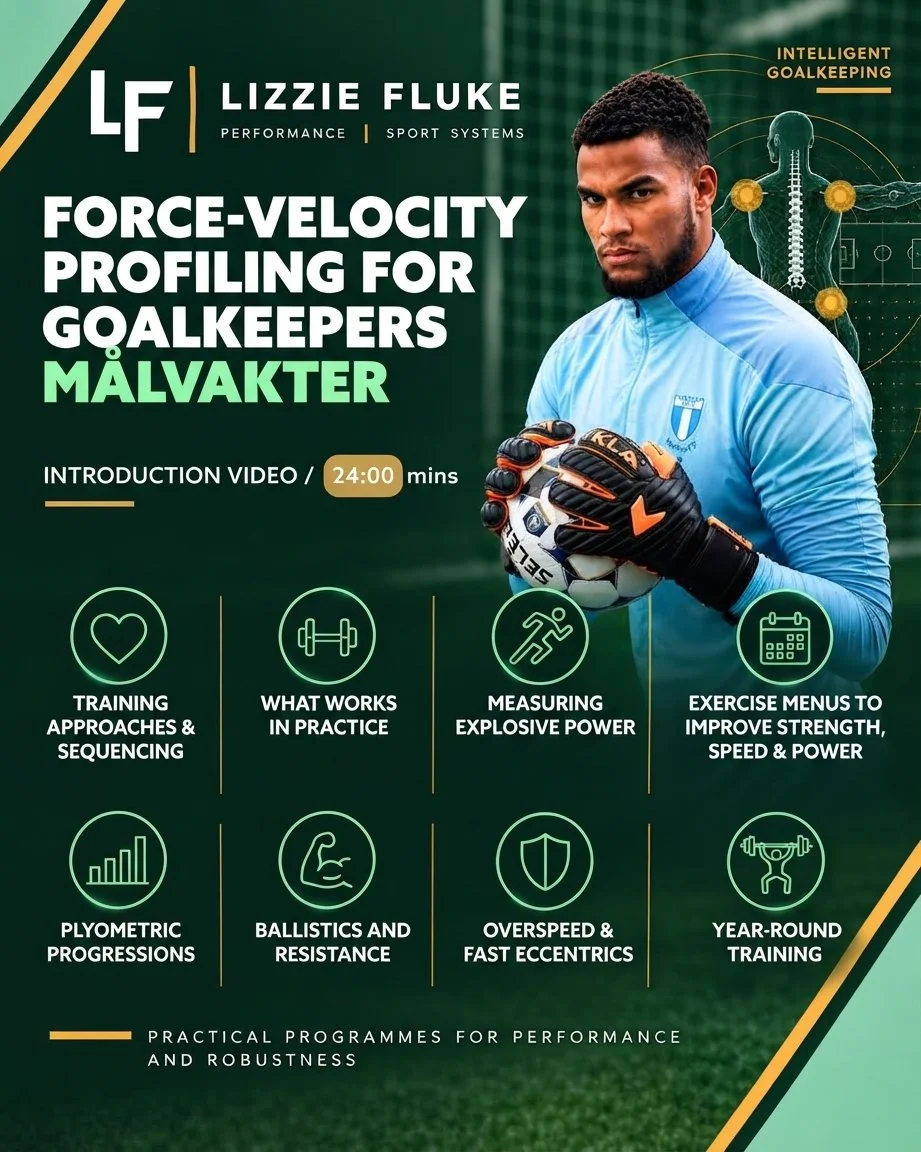
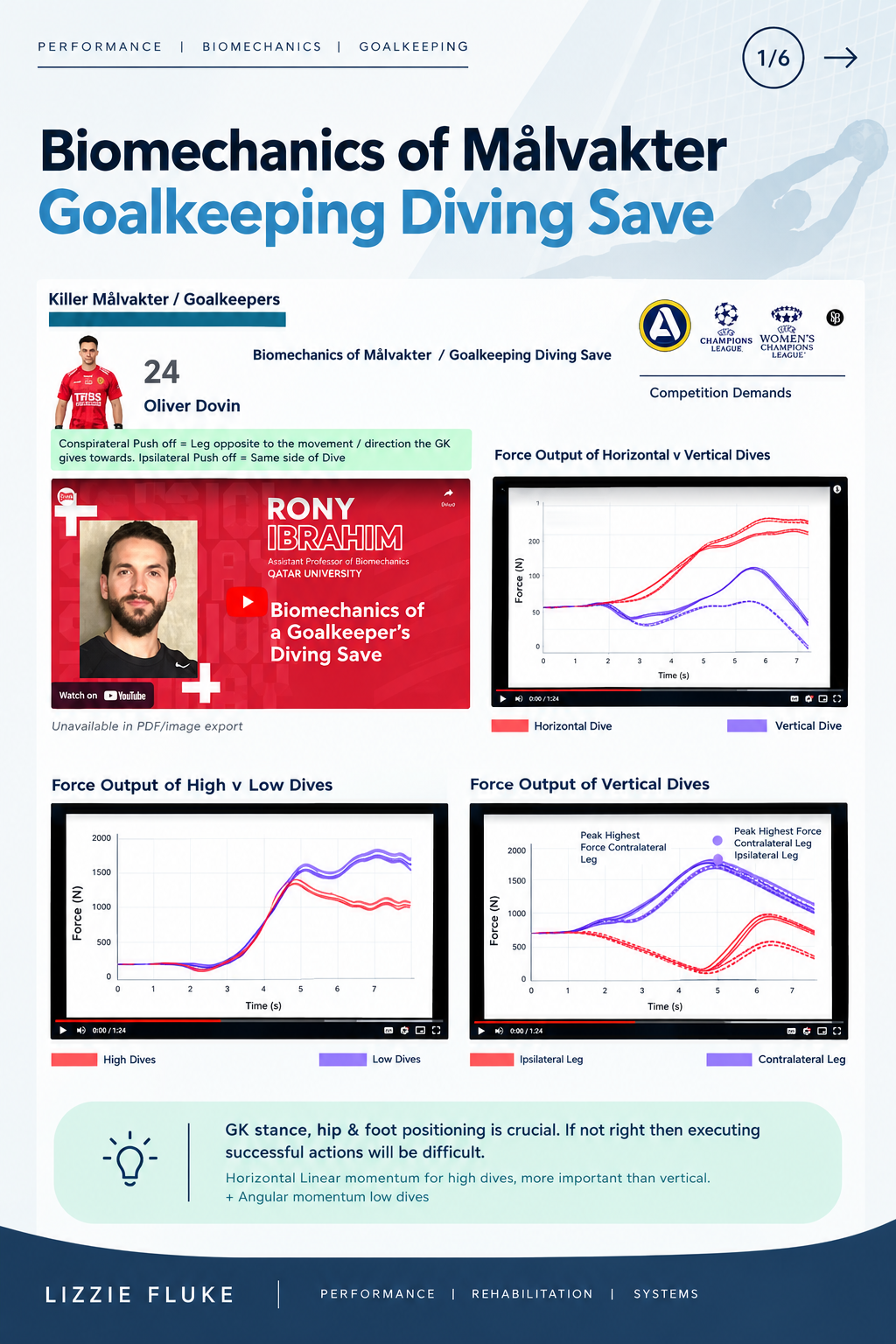
Force–Velocity Profiling for Goalkeepers Målvakter Introduction Video

My force-velocity video Intro (24:00 Mins) is designed for coaches who need guidance on what to do with force–velocity test results and how to translate them into training and performance decisions. I start by describing which qualities need to be developed based on the profile, and how to optimise speed-, strength-, or balanced-dominant profiles when goalkeepers show a major deficit, minor deficit, or a balanced force–velocity profile.

Read More
Saudi-First System Design: Part 5 Sports Medicine and Performance Infrastructure

Every sport system has a participation base and an elite tier. What distinguishes mature systems from emerging ones is not the top or the bottom, but the middle layer, the infrastructure that connects daily training environments, medical and performance systems, regional capability, and long term athlete development.

Read More
Saudi-First System Design Part 4: Federation Capability Maturity Model (FCMM)© What Sweden’s Olympic Structure Reveals About Saudi Arabia’s Opportunity to Build the Middle Layer

Federations within rapidly developing sport ecosystems do not evolve uniformly. Different sports progress at different speeds depending on participation growth, governance clarity, workforce depth, and system integration. The Federation Capability Maturity Model provides a shared language for understanding this progression.

Read More
Part 3: The Middle Layer What Sweden’s Olympic Structure Reveals About Saudi Arabia’s Opportunity to Build the Middle Layer

Every sport system has a participation base and an elite tier. What distinguishes mature systems from emerging ones is not the top or the bottom, but the middle layer, the infrastructure that connects daily training environments, medical and performance systems, local capability, and long term athlete development.

Read More
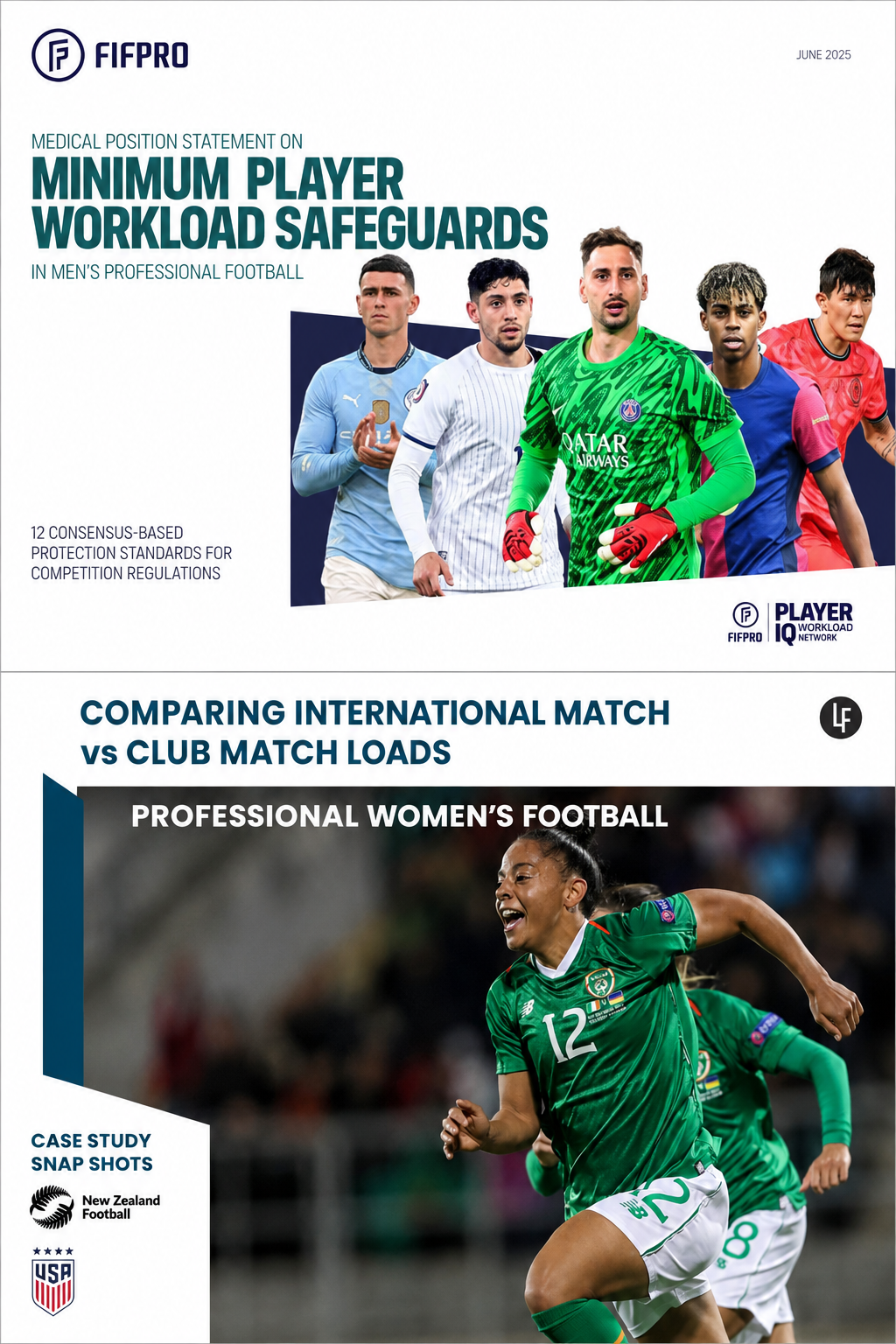
Comparing International Match vs Club Match Loads

With the Women’s Euros fast approaching in July 2025, the focus is on the physical and psychological demands placed on international footballers.

Today, FIFPRO released a landmark consensus from 70 leading experts, establishing 12 evidence-based safety standards to protect athletes from excessive workload. These include guaranteed off-season breaks, retraining periods, and mandatory rest after long-haul travel, underscoring the urgent need for global standards.

Read More
Lizzie FlukeComment
GPS-Guided 8-Stage Hamstring Rehabilitation Framework: Integrated Decision-Making for Practitioners, Coaches, and Athletes

“This GPS-Guided Hamstring Rehabilitation Framework sets a new benchmark for athlete care and return-to-play management. By expertly integrating objective GPS metrics with pain-controlled, stage-based progression, it empowers practitioners, coaches, and athletes to make safe, data-driven decisions at every step of rehabilitation. An invaluable, evidence-based resource for performance sport.”

Read More
Lizzie FlukeComment
Edition 5: Saudi Sport: The Delivery Layer Building Performance on the Ground

Saudi Sport: The Delivery Layer

Saudi Arabia has built national systems that operate through structured workflows, national coordination, and digital identity integration, supported by compliance pathways, documented requirements, verification steps, service repeatability, and backend governance systems. Governance is embedded in everyday life through a unified national digital infrastructure, clearly documented pathways, defined responsibilities, accountability, and oversight.

Read More
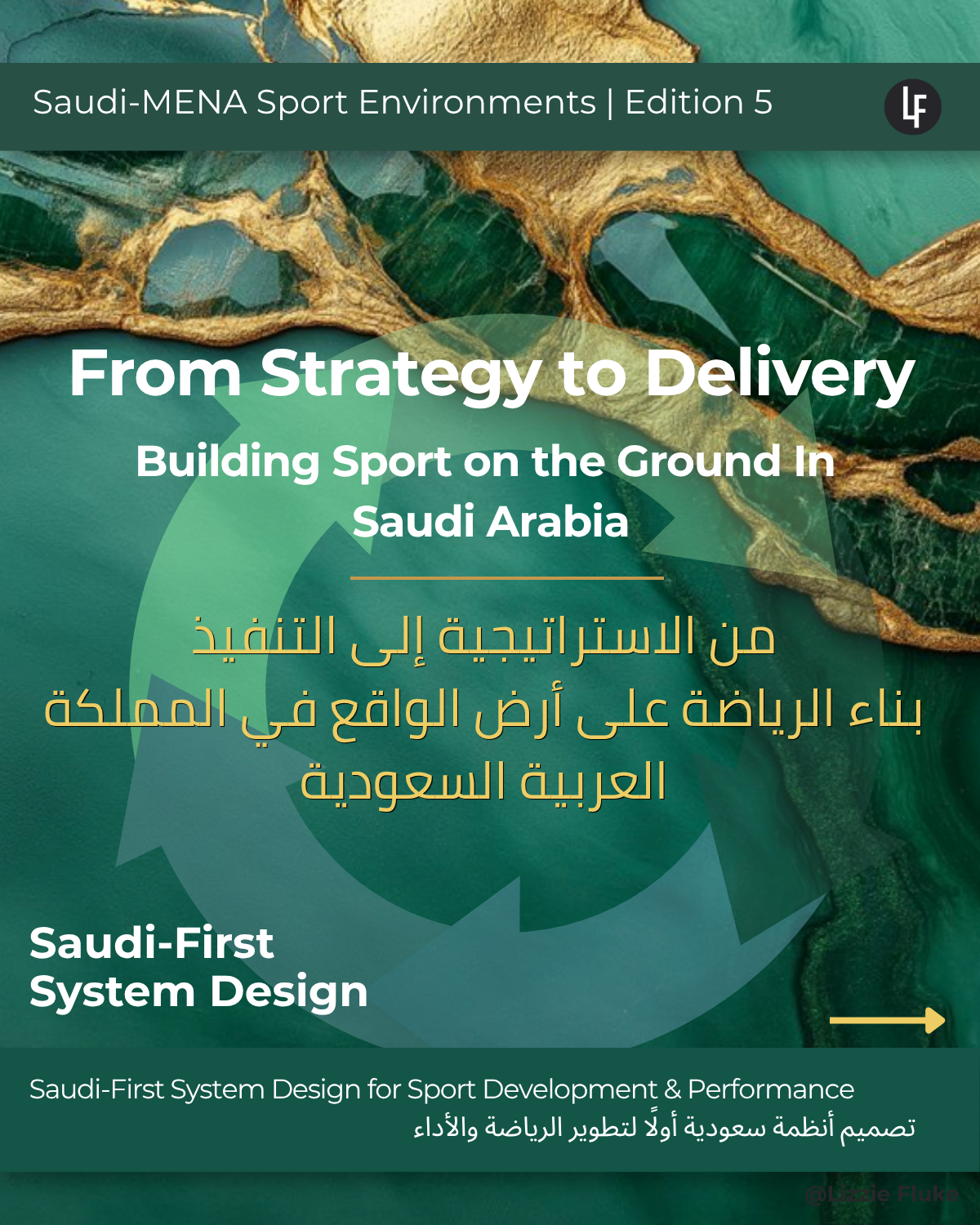
From Strategy to Delivery: Building Sport on the Ground in Saudi Arabia

Edition 5 shows why systems, governance, compliance and processes are critical to delivery, healthy environments, athlete safeguarding and long‑term performance.

Anti-Doping and System Pressure

Edition 5 begins with the anti-doping cases because they show the system under real pressure. Two athletes were subject to active Anti Doping Rule Violation processes.

Read More
Part 5: Three Weeks of Eccentric Training Combined With Overspeed Exercises Enhances Power and Running Speed Performance Gains in Trained Athletes

This post explores the study by Cook, Beaven, and Kilduff, which investigates how combining eccentric training with overspeed exercises can improve power and running speed for athletes. The research highlights the importance of targeting both force (strength) and velocity (speed) components for performance gains

Read More
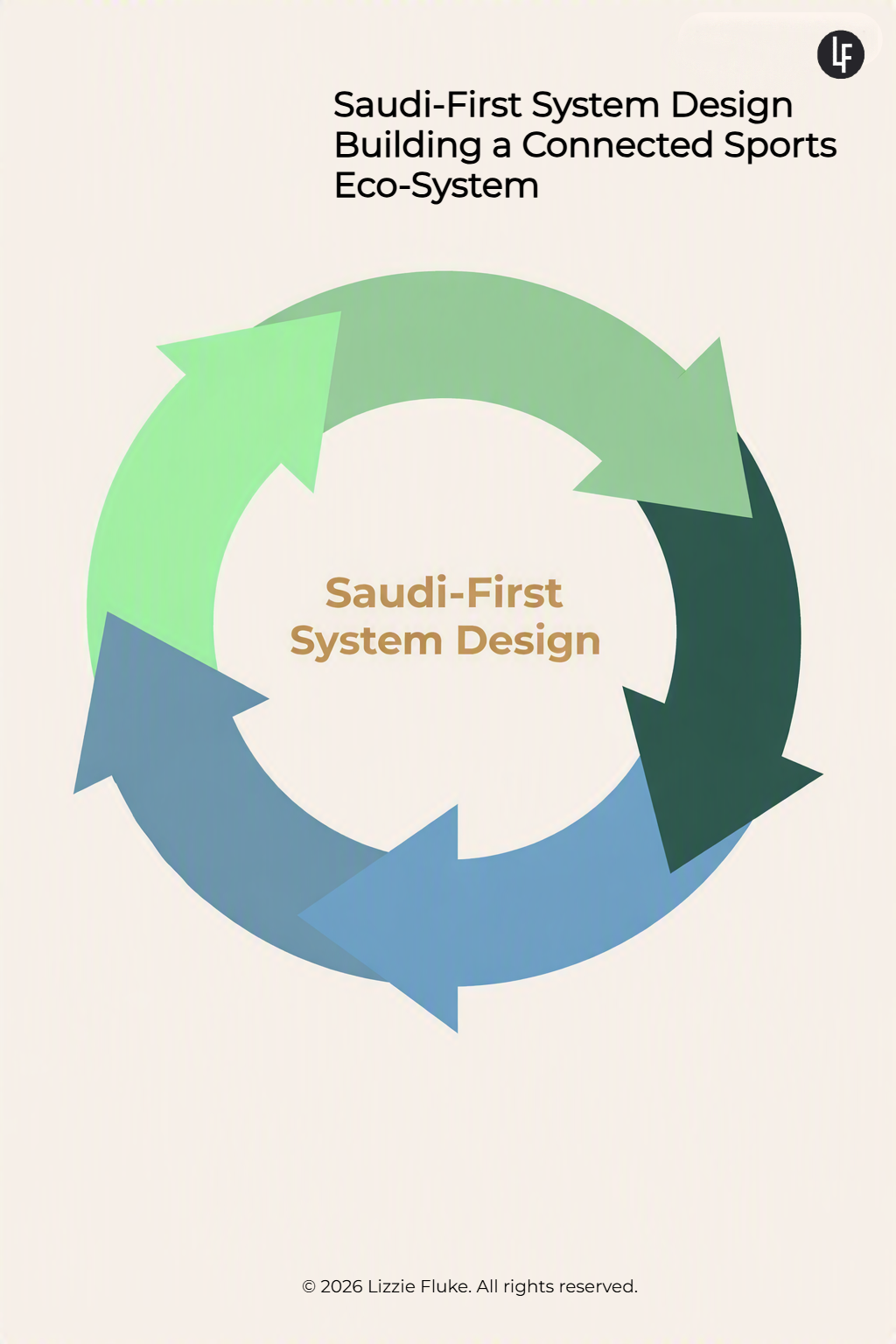
Saudi First System Design: Building a Connected Sports Ecosystem

Saudi sport grows through regional difference, not uniformity.

The real question is how participation, governance, healthcare, infrastructure and performance systems connect as the ecosystem expands.

Sweden was never presented as a model to copy. It is a lens through which to view how participation, healthcare, rehabilitation, education, governance and pathway systems interact over time, and how connected ecosystems create long-term continuity, capability and progression.

Read More