Hamstring Rehab Mastering Lower Limb Injuries
Hamstring Rehab
Mastering Lower Limb Injuries
and Managing Expectations
James Moore's 2020 video case study presentation offers valuable insights and methods for practitioners in sports performance and rehabilitation.
Additionally, I offer supplementary resources for managing hamstring injuries that are also applicable to other muscle and joint injuries, alongside strategies for preparing athletes to meet the physiological demands of their respective sports.
These resources encompass a range of rehabilitation protocols and physical preparation guidance for clinicians, coaches, and athletes.
Muscle Injuries and Managing Expectations
I use this video presentation as a reference point to demonstrate what is possible within very short timescales, and how athletes can be successfully rehabilitated to new levels of performance and robustness without breaking down.
This is crucial for setting appropriate goals and managing athlete expectations.
For example, an athlete with a groin (adductor) injury, often referred to as your third hamstring, returned in record time to help the team achieve second place in the league.
This athlete was a critical part of that success, scoring and assisting in every match following her return.
Other muscle injuries, including calf, quadriceps, and shoulder injuries, have also been successfully rehabilitated in key and critical athletes.
Speed, Power and Intensity
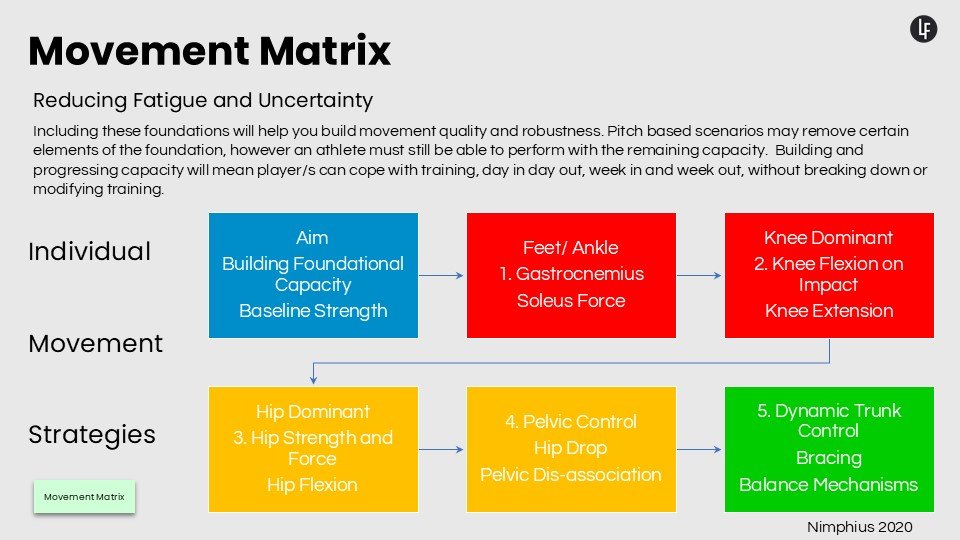
This case study illustrates the complexity of muscle injuries and how they overlap. Nothing functions in isolation.
Answering the hows and whys, problem solving, and using a process of elimination can deliver solutions and assist practitioners in navigating complex rehabilitation environments.
I use this video presentation as a reference point to show what is possible in very short timescales, and how to successfully rehab athletes back to new levels of performance, and robustness without breaking down.
This is crucial for setting appropriate goals and managing athlete expectations.
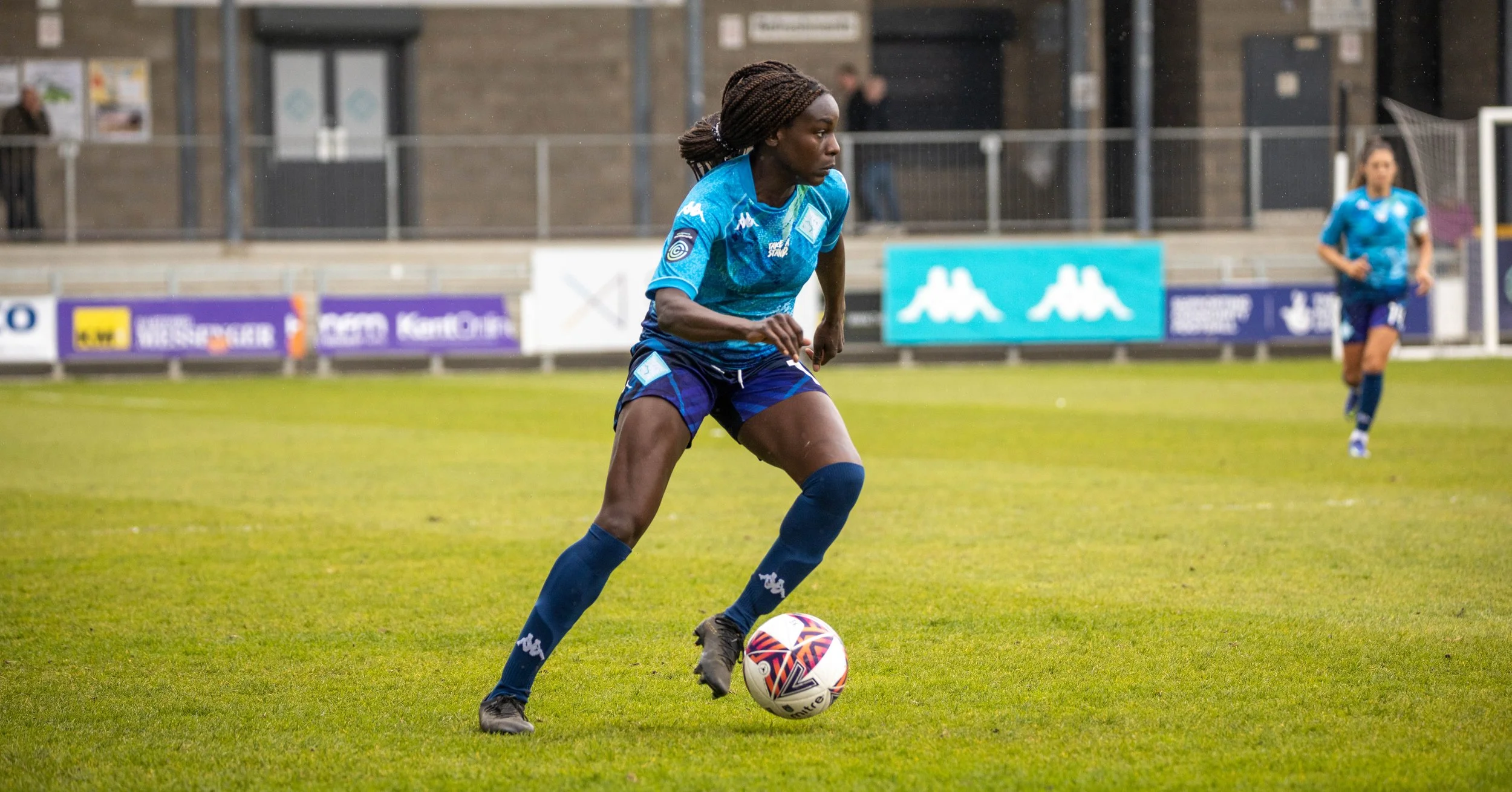
For example an athlete with a groin (adductor) injury, which is your third hamstring, was back in record time in order to help the team achieve 2nd place in the league.
This athlete was a critical part of that success and scored and assisted in every match upon her return.



Other Muscle Injuries
Others muscle injuries such as calves, quads and shoulders, all successfully rehabbed with key, critical athletes.
Speed, Power and Intensity
This case study illustrates the complexity of muscle injuries and how they overlap. Nothing functions in isolation. Answering the How's and Why's, problem solving, and by using a process of elimination can deliver solutions and assist with the following.
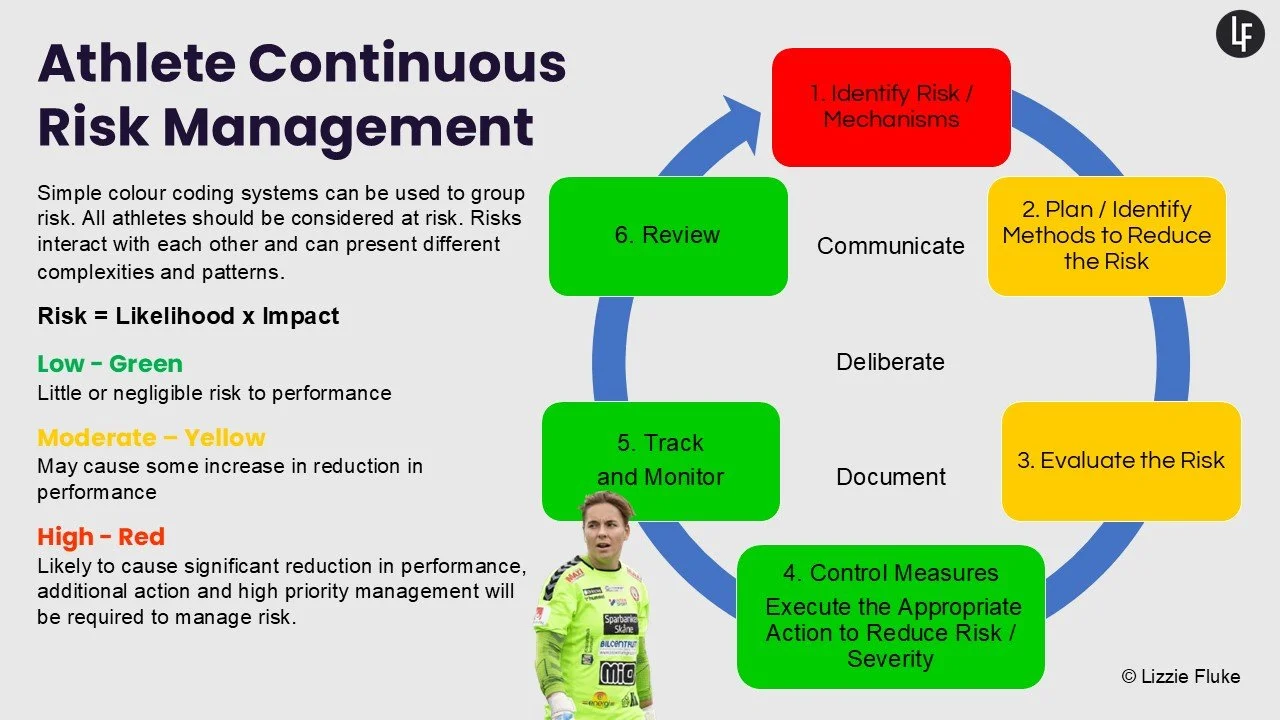
Athlete Continuous Risk Management
All athletes should be considered at risk. Risks interact with each other and can present different complexities and patterns. Dysfunction in one area can cause dysfunction in another. However as Moore highlights Tyson Gay, this is not always the case.
80-20% Risk Reduction Measures
When the stakes are high, or when the situation is particularly complex, additional measures can be implemented.
These measures can be more sensitive to small changes and variations, particularly when risk fluctuates daily or weekly throughout the rehabilitation and return-to-performance process.
Communicate, Deliberate, Document
1. Present Risk to Stakeholders.
2. Determine the Need for Additional Uncertainty Measures.
3. Refine Control Measures and Make Adjustments.
4. Provide Recommendations to Stakeholders and Decision Makers.
5. Implement Control Measures to Reduce Risk or Severity.
6. Establish Medical Budget Contingencies for Injury Risk or Severity.

Full Video 33 mins Watch and Listen
Sources: CPD
Physical Preparation of the Football Player with an Intramuscular Hamstring Tendon Tear: Clinical Perspective with Video Demonstrations.
Matt Taberner, Daniel Dylan Cohen
Taberner M, Cohen DD
Physical Preparation of the Football Player with an Intramuscular Hamstring Tendon Tear: Clinical Perspective with Video Demonstrations
British Journal of Sports Medicine 2018;52:1275-1278.
Part 1 and 2 are also available on YouTube if you wish to watch in two blocks.
Sources: CPD
Sports Map: Mastering Lower Limb Injuries (2020) Online Webinar Series
Bahr R. No injuries, but plenty of pain? On the methodology for recording overuse symptoms in sports.
British Journal of Sports Medicine 2009;
43:966-972.


Understanding Muscular Coordination
Coach Development: Speed Training
Explanation of Muscular Coordination. Athlete sharpness is simply coordination, by increasing coordination means athletes move towards instinctive precise movement. If you wish to develop very fast athletes, strength, speed and power, this is a must watch.
In addition, this is an excellent resource to assist with hamstring rehabilitation and other muscular and joint injuries.
Video: Frans Bosch
By integrating these approaches, practitioners can develop comprehensive programs that address both rehabilitation and injury reduction while optimising athletic performance.